High Quality General Contractor Services In Richmond, Virginia | Residential & Commercial
Monday - Friday: 8am-5pm

Your Home. Our Priority.
Coastal Contracting is a family owned and operated class A general contractor.
We’ve operated in Richmond and the surrounding areas for the past 20 years.
Your Home.
Our Priority.
Coastal Contracting is a family owned and operated class A general contractor. We’ve operated in Richmond and the surrounding areas for the past 20 years.
Additions. Renovations. Custom Builds.
We take pride in offering attentive customer care with 5-star services

General Contracting
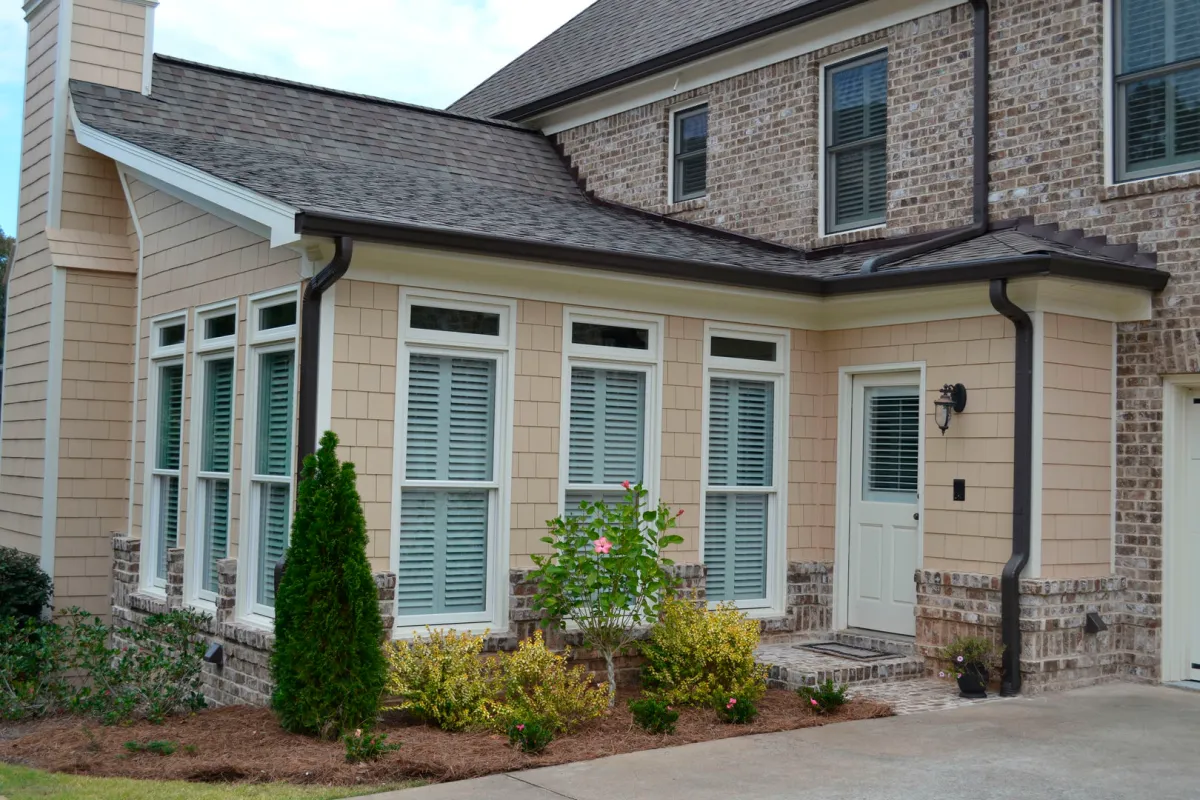
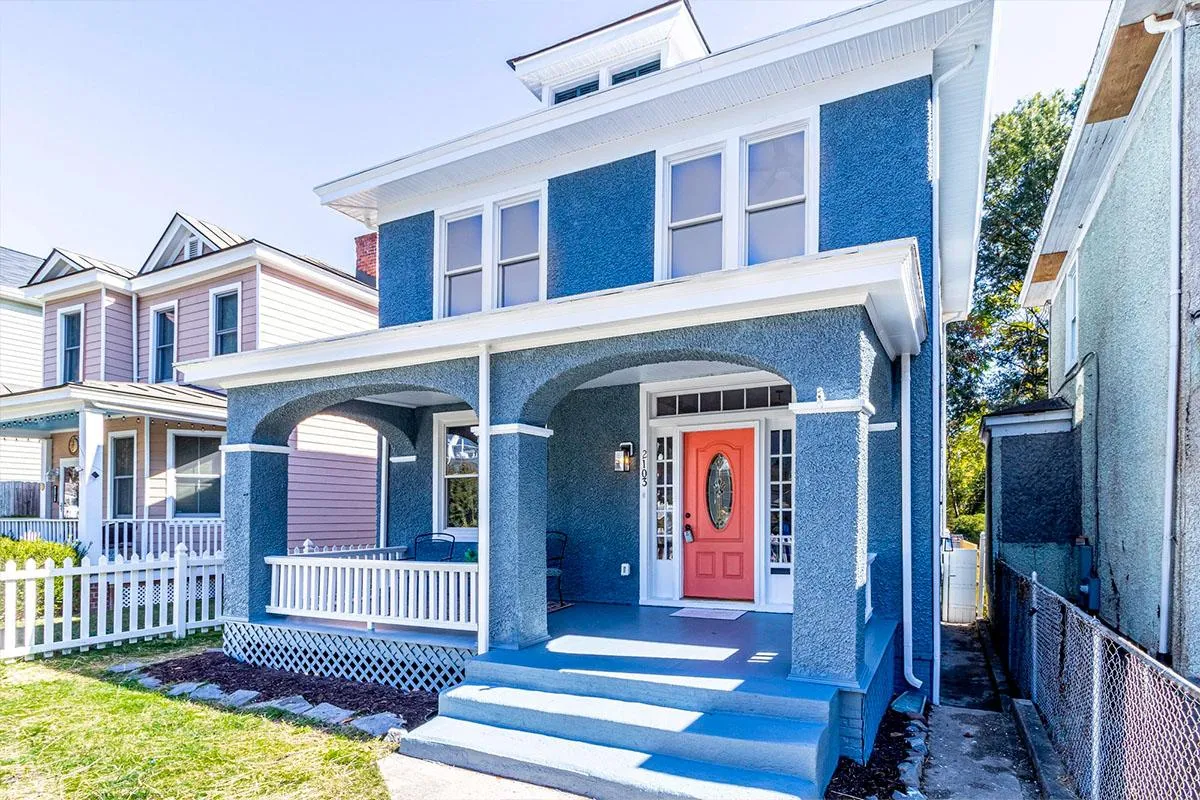
From repairs to general maintenance, to construction and renovation, we have the tools, materials, designers, and builders to get your job done.
Home Additions
Did you know that the cost of an addition can pay for itself by increasing your home’s value? Let’s talk about your needs and if an addition may be right for you.
Exterior Remodeling
Whether you’re planning a backyard makeover, new roof, gutter or patio installation, we have the skills, the tools, and the know-how to get it done.


Interior
Remodeling
If you’re thinking about some interior remodeling, we specialize in bathroom, bedroom, common areas and kitchen remodels, and we handle every step of the process.
Aging In Place / ADA Remodeling
Aging in place can help you or your loved ones to continue to live a full life in your home. We also provide ADA Remodeling services that will help you with your day to day tasks.
Restoration, Remediation & Abatement Services
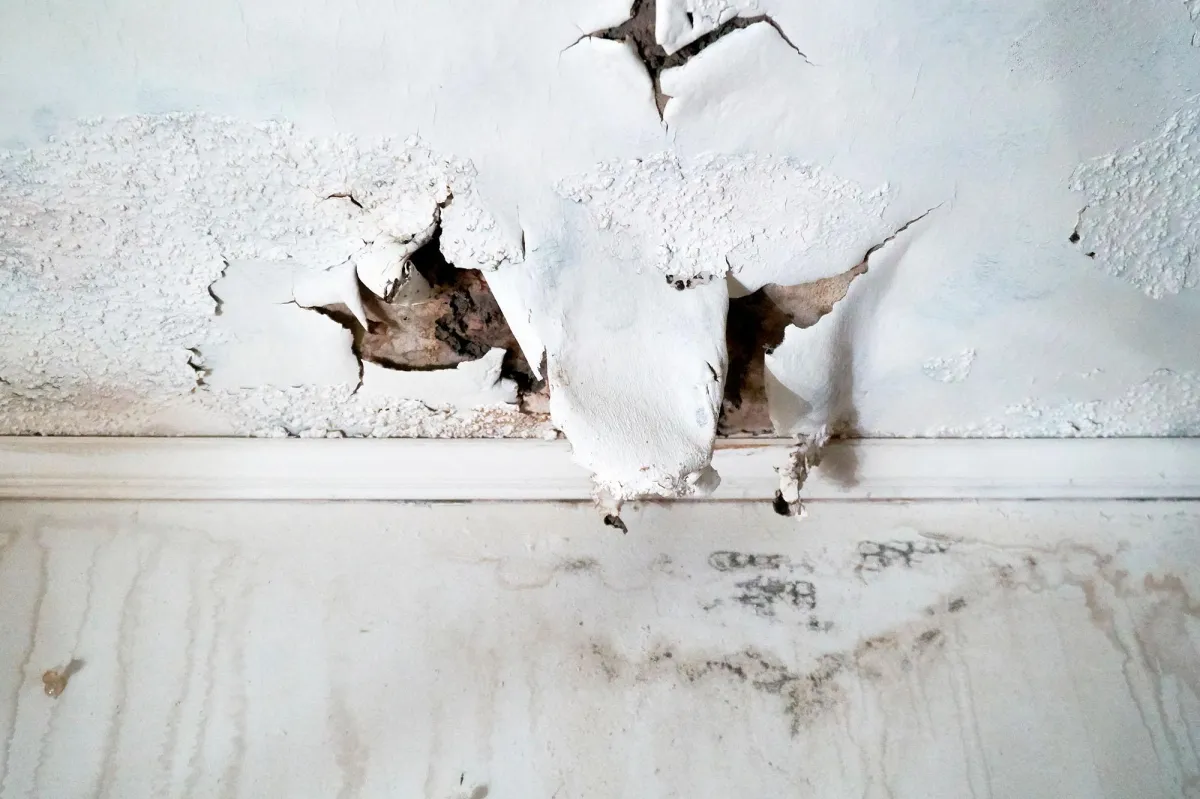
Coastal Contracting will ensure that your home and valuables will not lose value and that you and your loved ones will be safe. Get the help you need by getting a free consultation from our experts.
Additions. Renovations. Custom Builds.
We take pride in offering attentive customer care with 5-star rating services
General Contracting
From repairs to general maintenance, to construction and renovation, we have the tools, materials, designers, and builders to get your job done.
Home Additions
Did you know that the cost of an addition can pay for itself by increasing your home’s value? Let’s talk about your needs and if an addition may be right for you.
Exterior Remodeling
Whether you’re planning a backyard makeover, new roof, gutter or patio installation, we have the skills, the tools, and the know-how to get it done.
Interior Remodeling
If you’re thinking about some interior remodeling, we specialize in bathroom, bedroom, common areas and kitchen remodels, and we handle every step of the process.
Aging In Place / ADA Remodeling
Aging in place can help you or your loved ones to continue to live a full life in your home. We also provide ADA Remodeling services that will help you with your day to day tasks.
Restoration, Remediation & Abatement Services
Coastal Contracting will ensure that your home and valuables will not lose value and that you and your loved ones will be safe. Get the help you need by getting a free consultation from our experts.
Build The Space You Always Wanted
We believe we’re more than just another one of the construction companies; we’re experts, we’re community members, and we’re passionate about what we do. From building a home, to small repairs and renovations, give us a try and see what makes us different.
Whatever you can dream, our experienced contractors can build. Get in touch today for a consultation.



Let Our Team Bring Your Project To Life
Our construction experts are ready to provide you with an in-home consultation with no obligation. We look forward to helping you design the space of your dreams.

Let Our Team Bring Your Project To Life
Our construction experts are ready to provide you with an in-home consultation with no obligation. We look forward to helping you design the space of your dreams.
Caring For Our Community
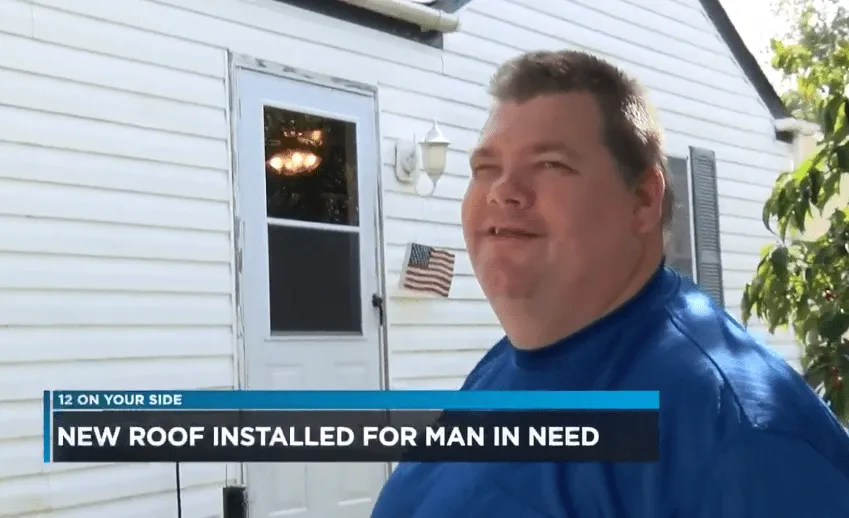
We are passionate about supporting our community, and especially our veterans. One Henrico Veteran was in need of a new roof, and Coastal Contracting took care of the roof replacement free of charge.
Caring For Our Community
We are passionate about supporting our community, and especially our veterans. One Henrico Veteran was in need of a new roof, and Coastal Contracting took care of the roof replacement free of charge.
Our Most Popular Posts
Smoke Odor Encapsulation in Attic Rafters, Richmond, VA
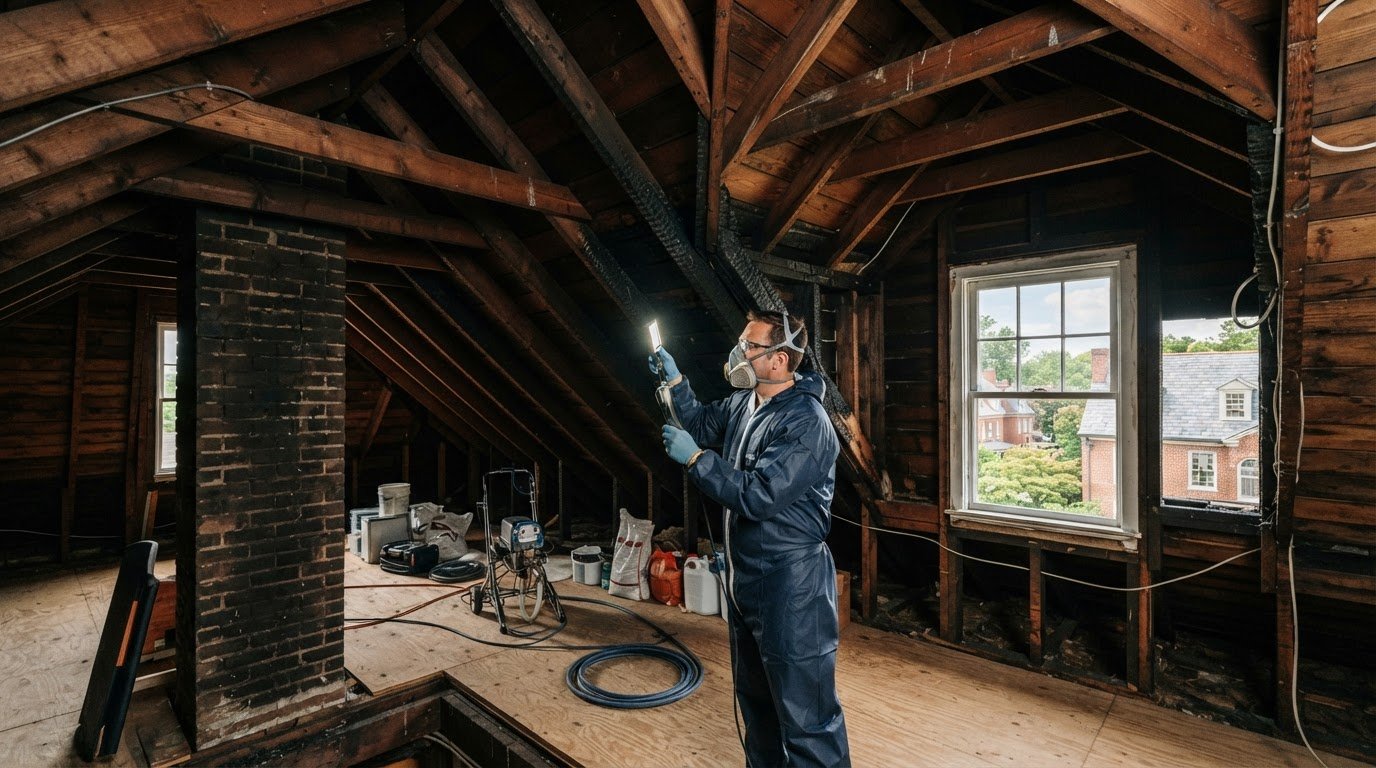
What if sealing smoke-stained rafters is the last step, not the first? After a chimney fire, a persistent odor can make it tempting to coat the attic framing and move on. If you’re considering smoke odor encapsulation in attic rafters after chimney fire Richmond VA, know that encapsulation may help control lingering odor on suitable surfaces, but it doesn’t remove soot or repair fire damage.
Before any coating is applied, soot, char, and other damage need to be assessed. Otherwise, sealing the rafters could conceal an unresolved problem. A careful restoration plan addresses fire residue and related damage first, then considers whether encapsulation is an appropriate finishing step.
This guide explains what encapsulation can and can’t do, what an assessment and remediation sequence should cover, and how to plan restoration for your Richmond-area home. With a clear process, you can make informed decisions about the rafters and any wider repairs your home may need.
Key Takeaways
- For smoke odor encapsulation in attic rafters after chimney fire Richmond VA, assess the framing and identify soot, char, and other damage before considering a coating.
- Encapsulation may help control odor on suitable, prepared surfaces, but it doesn’t clean soot, replace damaged framing, or establish that the attic is safe.
- Cleaning, deodorization, encapsulation, and framing repair address different problems. Choose treatments based on what the assessment finds.
- Plan restoration in stages, from attic assessment through residue treatment and repairs, with the work tailored to your home’s conditions.
- Coastal Contracting provides fire and water damage restoration and general contracting for Richmond-area home repairs.
Why Chimney-Fire Smoke Odor Lingers on Attic Rafters in Richmond Homes
A chimney fire can leave more than marks inside the flue. Smoke and fine residue may travel beyond the chimney assembly and affect attic materials, including exposed rafters. If you’re researching smoke odor encapsulation in attic rafters after chimney fire Richmond VA, start by understanding what may be causing the odor and where residue has settled.
Smoke odor encapsulation involves applying a suitable sealant to a surface that has been assessed and properly prepared, including necessary cleaning. It may be a finishing step in a broader remediation sequence, not a substitute for finding and addressing residue or damage. Encapsulation seals a suitable, prepared surface to help control lingering odor after assessment and necessary cleaning; it does not replace cleaning or repairs.
How chimney-fire residue reaches attic framing
Smoke can move through openings, chases, and gaps around chimney assemblies as it rises or follows air currents through a home. Depending on the fire and the building’s layout, residue may affect rafters, roof sheathing, insulation, or nearby surfaces. Heat effects can also vary across attic materials, so one clean-looking or affected spot may not represent the whole space.
Creosote buildup is associated with chimney fires. For background on what causes a chimney fire, see this overview of how creosote can ignite in a chimney. The route smoke takes into an attic depends on the home’s construction and ventilation as well as the fire itself.
Why rafters can continue to smell after visible cleanup
Unfinished or porous wood can retain smoke-related residue, allowing odor to linger after obvious surface marks have been cleaned. Air movement between the attic and occupied rooms may carry that odor into living spaces. A smell that returns as conditions change is frustrating, but it doesn’t prove by itself that the framing is structurally damaged.
Visible soot also doesn’t reveal the full extent of what happened. Residue may be present where it’s difficult to see, while dark marks can have different causes. Neither odor nor appearance alone establishes the attic’s condition or safety. An assessment helps distinguish surfaces that need further cleaning from materials that may need repair or, once suitably prepared, an odor-control coating.
Encapsulation for Smoke Odor in Attic Rafters
After the attic has been assessed and appropriate cleaning has addressed removable residue, encapsulation may be considered as an odor-control finish for suitable rafters. It isn’t an automatic step after every chimney fire. The decision depends on the wood’s condition, the results of prior cleaning, any odor that remains, and whether a coating is compatible with the surface and restoration plan.
Odor encapsulation helps seal a suitable, prepared surface; it does not remove smoke residue or repair damaged framing. A coating applied over soot or loose material can conceal what still needs attention instead of resolving it. Resources such as industry standards for smoke restoration provide context for treating assessment, cleaning, odor treatment, and repair as distinct needs.
When sealing attic rafters may be considered
A restoration plan may consider encapsulation when the framing has been examined, necessary residue removal is complete, and odor remains on surfaces suitable for this treatment. Preparation and compatibility matter: the surface condition and prior cleaning affect whether a coating is an appropriate next step. Base the plan on the conditions in your attic, rather than assuming every rafter needs to be sealed.
When encapsulation is not a stand-alone answer
Visible soot or loose residue calls for evaluation and appropriate cleaning before a coating is considered. Encapsulation won’t remove soot, establish that an area is safe, or replace wood compromised by fire. Charred framing needs separate assessment, as does wood affected by moisture, including water introduced during firefighting. Those conditions may require repair or other work before odor-control finishing is considered.
If odor persists after treatment, reassess the affected areas and the restoration work rather than simply applying another coat. Residue may remain on a surface that wasn’t adequately addressed, or the odor may come from another material or location. For homeowners weighing smoke odor encapsulation in attic rafters after chimney fire Richmond VA, the practical next step is a coordinated review of residue, framing condition, and related damage. Coastal Contracting’s fire-damage restoration planning can connect attic findings with the broader repairs your home may need.
Cleaning, Deodorizing, or Encapsulating: Choosing the Right Attic Treatment
These treatments serve different purposes. A coating isn’t a shortcut for cleaning, and deodorization isn’t a repair. The right approach depends on what an assessment finds on the rafters and nearby surfaces, including residue, odor, surface condition, and any fire or moisture damage.
| Treatment | Purpose and when it may fit | What it does not resolve |
|---|---|---|
| Cleaning | Removes smoke residue from surfaces where the material and condition allow appropriate cleaning. | Doesn’t repair damaged framing or necessarily address odor remaining in other materials. |
| Deodorization | Targets lingering smoke odor after the affected areas and materials have been assessed. | Doesn’t remove soot or replace damaged wood. |
| Encapsulation | May help control odor on suitable surfaces after assessment and necessary residue removal. | Doesn’t clean soot, establish that the attic is safe, or repair framing. |
| Framing repair | Addresses rafters found to be charred or otherwise compromised; the repair plan depends on the damage. | Doesn’t by itself clean surrounding surfaces or treat odor elsewhere in the attic or home. |
How assessment findings guide the treatment choice
A useful assessment considers accessible rafters, surrounding surfaces, and the area near the chimney, not just the spot where the odor is strongest. Visible residue, a lingering smell, and signs of heat effects are separate observations. For example, odor may persist without obvious soot, while visible marks don’t establish whether the wood is damaged. Because surface condition affects the appropriate treatment, don’t select a cleaning method or coating by assumption.
For a broader view of how damage assessment fits into home recovery, see this guide to professional home restoration in Richmond.
How a combined treatment plan differs from a quick seal
A considered sequence may begin with assessment, then address residue, evaluate remaining odor, and consider encapsulation if the prepared surface is suitable. If framing is damaged, repair or replacement may also be needed. A final review should include the attic and affected adjoining spaces, since treating one surface alone may not address the full restoration scope.
For homeowners considering smoke odor encapsulation in attic rafters after chimney fire Richmond VA, the comparison is a starting point, not a diagnosis. Matching each treatment to observed conditions helps keep the plan focused on odor control and the home’s repair needs.
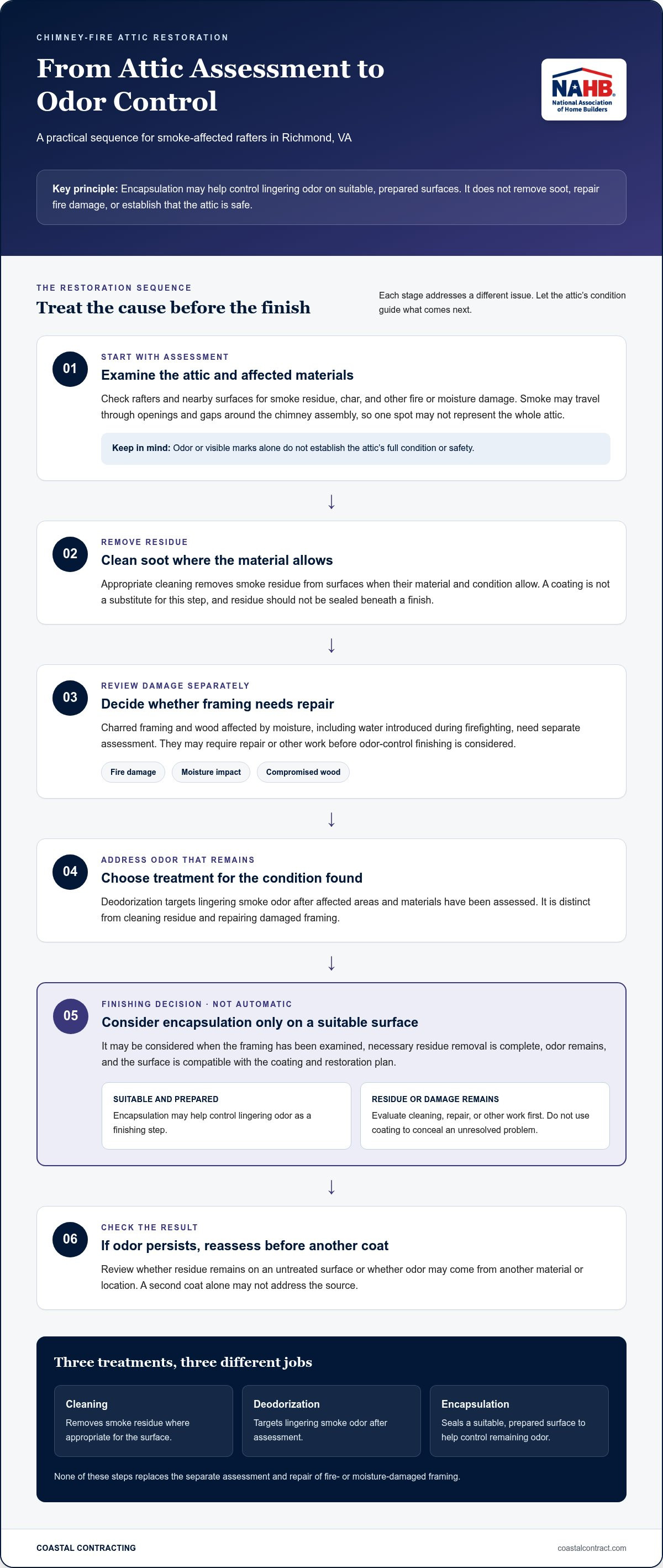
What to Expect During Attic Rafter Smoke-Odor Restoration in Richmond, VA
Restoring an attic after a chimney fire involves a sequence of decisions, not simply choosing a coating. The scope depends on how far the fire effects reached and what an assessment finds. A home in Richmond may need a different plan from one in Henrico or Chesterfield, even when the reported odor sounds similar.
The first assessment and documentation
Work begins with a review of safe access and the affected area. The assessment can document visible residue, materials that may be affected, conditions around the chimney, access limitations, and the concerns you’ve noticed. Fire-related structural or safety concerns take priority over odor treatment. If the attic may be unsafe or fire-damaged, don’t enter it to investigate; leave the assessment to qualified professionals.
This initial picture helps distinguish conditions that may point to different needs. Soot on a rafter, odor in an adjoining room, and signs of heat effects each deserve attention, but none alone describes the full scope. The findings guide what to address first and whether related spaces should be included.
Treatment, repairs, and final review
Once the affected areas are understood, a project plan may include cleaning residue, addressing odor, repairing or replacing compromised framing, or considering encapsulation on suitable prepared surfaces. These steps aren’t interchangeable. A coating doesn’t remove soot or fix damaged wood, and repairs don’t automatically treat odor on other materials. If multiple rooms or building elements were affected, restoration and remodeling work may need to be coordinated so the home is addressed as a whole.
A final review should consider the attic and affected adjoining spaces, not just the surface that received treatment. If odor remains or conditions change, the findings can help determine whether further assessment or work is needed. The sequence and scope should reflect observed conditions, including the extent of the chimney fire and any related damage.
For homeowners considering smoke odor encapsulation in attic rafters after chimney fire Richmond VA, a documented, staged plan helps keep assessment, treatment, and repairs in the right order. Coastal Contracting coordinates fire-damage restoration and broader home repairs in Richmond and surrounding communities. Plan your chimney-fire restoration with a clear view of the work your home may need.
Plan Your Richmond Chimney-Fire Restoration With Coastal Contracting
A lingering attic odor can leave you unsure whether to clean, repair, or seal the rafters. Start with an assessment, address residue and damage, then consider encapsulation only if the surface and project conditions make it appropriate. A coating alone doesn’t remove soot, repair framing, or establish that the attic is safe.
Coastal Contracting provides fire-damage restoration and general contracting for Richmond-area home projects. This can connect attic findings with related interior repairs, so the restoration plan considers more than the rafters in isolation. For homeowners researching smoke odor encapsulation in attic rafters after chimney fire Richmond VA, a project conversation is an opportunity to describe what happened, share what you’ve noticed, and discuss how assessment and coordinated repairs may fit together. Treatment recommendations depend on actual site conditions.
What to have ready for a restoration conversation
You don’t need to diagnose the damage before discussing the project. A few details can help explain your concerns and guide the next steps:
- When the chimney fire occurred and whether any follow-up work has already taken place.
- Which areas still have an odor, such as the attic, an upstairs room, or spaces near the chimney.
- Photos of affected areas, but only those taken from locations you can access safely.
- Existing inspection, restoration, or repair documents, if available.
- Any concerns about visible residue, possible heat effects, moisture, or changes you’ve noticed in the home.
Don’t re-enter an attic or other area that may be unsafe just to gather details or take photographs. Your safety comes first; information you already have is a helpful starting point.
A coordinated path from damage assessment to home repairs
Chimney-fire restoration may involve attic framing and interior spaces where smoke or related damage is present. A coordinated plan can account for assessment, residue treatment, odor-control options, and needed repairs in a sequence suited to the home. If water or other damage occurred during firefighting, include those conditions in the overall project picture.
Coastal Contracting is a family-owned business with more than 20 years of operation, serving homeowners across Richmond, Henrico, Goochland, Midlothian, Chesterfield, Short Pump, Chester, Glen Allen, Hanover, Ashland, and Montpelier. The goal is to understand what the site shows and what work follows, without assuming every home needs the same treatment. Discuss your Richmond fire-restoration project and take the next step toward a coordinated recovery plan.
Take the Next Step Toward a Carefully Restored Home
After a chimney fire, the right attic treatment starts with understanding what was affected. Smoke odor encapsulation in attic rafters after chimney fire Richmond VA may help control odor on suitable, prepared surfaces, but it comes after assessment and necessary residue removal. If framing is damaged, repairs belong in the plan too.
Coastal Contracting provides fire and water damage restoration alongside broader home repairs when needed. As a Class A general contractor serving Richmond and surrounding communities, the family-owned company brings more than 20 years of operation to helping homeowners coordinate the next steps.
Share what happened, where odor lingers, and any documents or photos you already have from safe locations. Take a practical first step: Discuss your Richmond fire-restoration project. A plan grounded in your home’s actual conditions can help you move forward with greater confidence.
Frequently Asked Questions
Is encapsulation enough to remove smoke odor from attic rafters after a chimney fire?
Not always. Smoke odor encapsulation in attic rafters after chimney fire Richmond VA may help control residual odor on suitable, prepared surfaces, but it doesn’t replace assessing fire effects or removing soot and residue that can be cleaned. The appropriate sequence depends on the rafters’ condition and restoration findings. If odor remains after treatment, reassess the affected materials and areas rather than automatically applying another coat.
Can you encapsulate soot-covered rafters without cleaning them first?
Assess the rafters and address suitable residue before deciding whether encapsulation is appropriate. A coating shouldn’t make visible soot seem resolved or cover an unknown surface condition. The wood, residue, prior cleaning, and coating compatibility all matter. If materials may be unsafe or fire-damaged, don’t disturb them yourself; leave assessment and treatment planning to qualified professionals.
What causes smoke odor to remain in attic rafters after a chimney fire?
Smoke and combustion residue can travel through openings and pathways around a chimney, affecting rafters and nearby materials. Porous or unfinished wood may retain smoke-related odor even after visible debris is removed. The pattern depends on the fire and the home’s layout. An assessment can consider the rafters, adjacent surfaces, and whether odor is noticeable in occupied rooms, rather than relying on smell alone to judge the damage.
How do professionals decide whether attic rafters need cleaning, deodorizing, or encapsulation?
The choice follows an assessment of visible residue, odor, surface condition, and signs of heat or structural damage. Cleaning addresses removable residue; deodorization targets lingering odor; encapsulation may be considered for a suitable, prepared surface. These treatments serve different purposes and may be combined in a project plan. The right approach reflects the conditions found in the attic, not a one-treatment-fits-all rule.
Can smoke odor from an attic travel into the rest of a Richmond home?
Yes, air movement through attic openings, access points, and other building pathways may carry odors into nearby rooms or spaces below. That doesn’t establish the source or extent of damage by itself. A restoration assessment can consider where you notice the smell, review accessible affected areas, and determine whether the plan should include materials beyond the rafters. Odor locations are useful clues, not a complete diagnosis.
What should I do first after a chimney fire if the attic still smells smoky?
Prioritize fire and structural safety, and follow instructions from appropriate emergency or fire-safety authorities. Don’t enter an attic that may be unsafe or disturb damaged materials to investigate. Once access is appropriate, note where odor lingers and gather any inspection or restoration documents you already have. Those details can help organize a restoration conversation about assessment, residue treatment, and repair needs.
Does encapsulating attic rafters guarantee the smoke smell will never return?
No. Encapsulation may be one part of an odor-control plan, but it doesn’t repair damaged framing or replace needed residue removal, and it shouldn’t be treated as a guarantee that odor won’t return. If the smell persists or comes back, the affected spaces and earlier treatment steps may need review. Coastal Contracting serves Richmond and nearby Henrico, Goochland, Midlothian, Chesterfield, Short Pump, Chester, Glen Allen, Hanover, Ashland, and Montpelier.
Speak With a Project Manager
Do you have a question or need more information. Don't hesitate to contact our construction experts!
Flexible Monthly Payment Options
See your options in minutes, with no hard credit check! Take advantage of 6-months same-as-cash or low monthly payment options with no liens or appraisal requirements.
Flexible Monthly Payment Options
See your options in minutes, with no hard credit check!
Take advantage of 6-months same-as-cash or low monthly payment options with no liens or appraisal requirements.

Monday - Friday: 8am-5pm
High Quality General Contractor Services In Richmond, Virginia | Residential & Commercial



© 2026 Coastal Contracting. All Rights Reserved. Privacy Policy - Terms & Conditions
Monday - Friday: 8am-5pm
High Quality General Contractor Services In Richmond, Virginia | Residential & Commercial