High Quality General Contractor Services In Richmond, Virginia | Residential & Commercial
Monday - Friday: 8am-5pm

Your Home. Our Priority.
Coastal Contracting is a family owned and operated class A general contractor.
We’ve operated in Richmond and the surrounding areas for the past 20 years.
Your Home.
Our Priority.
Coastal Contracting is a family owned and operated class A general contractor. We’ve operated in Richmond and the surrounding areas for the past 20 years.
Additions. Renovations. Custom Builds.
We take pride in offering attentive customer care with 5-star services
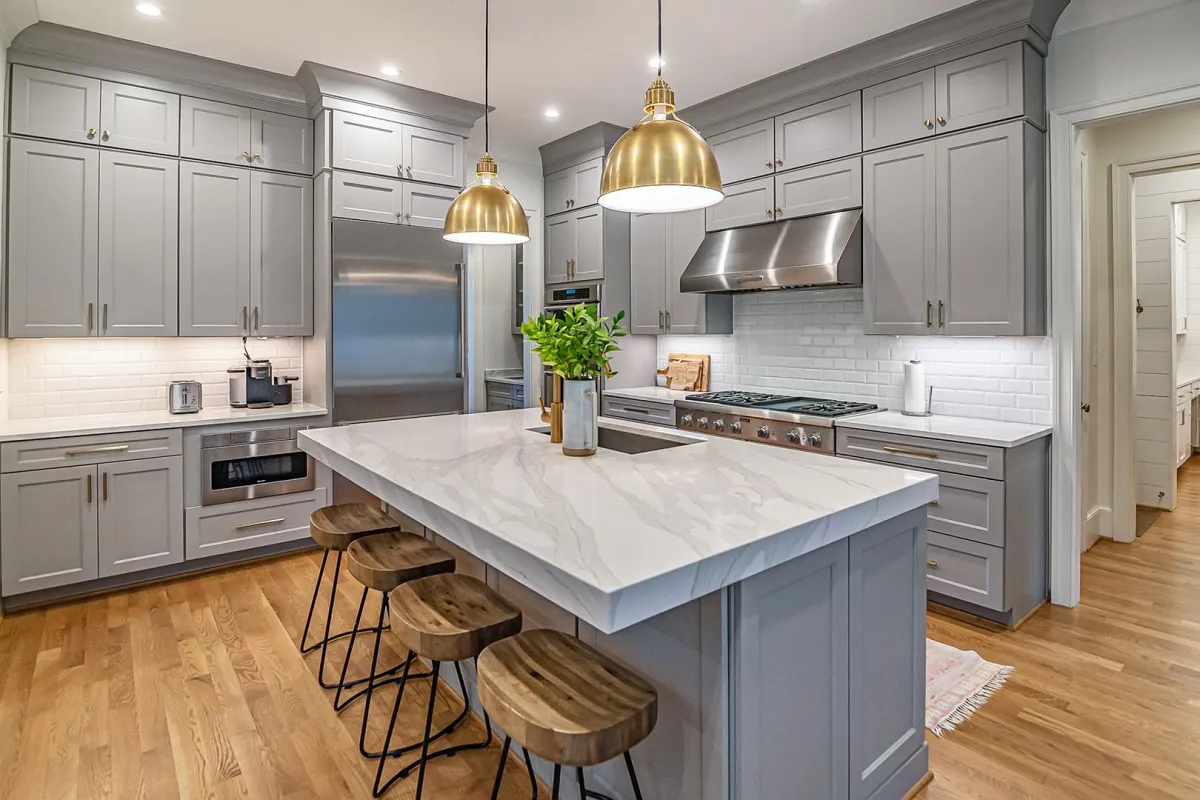
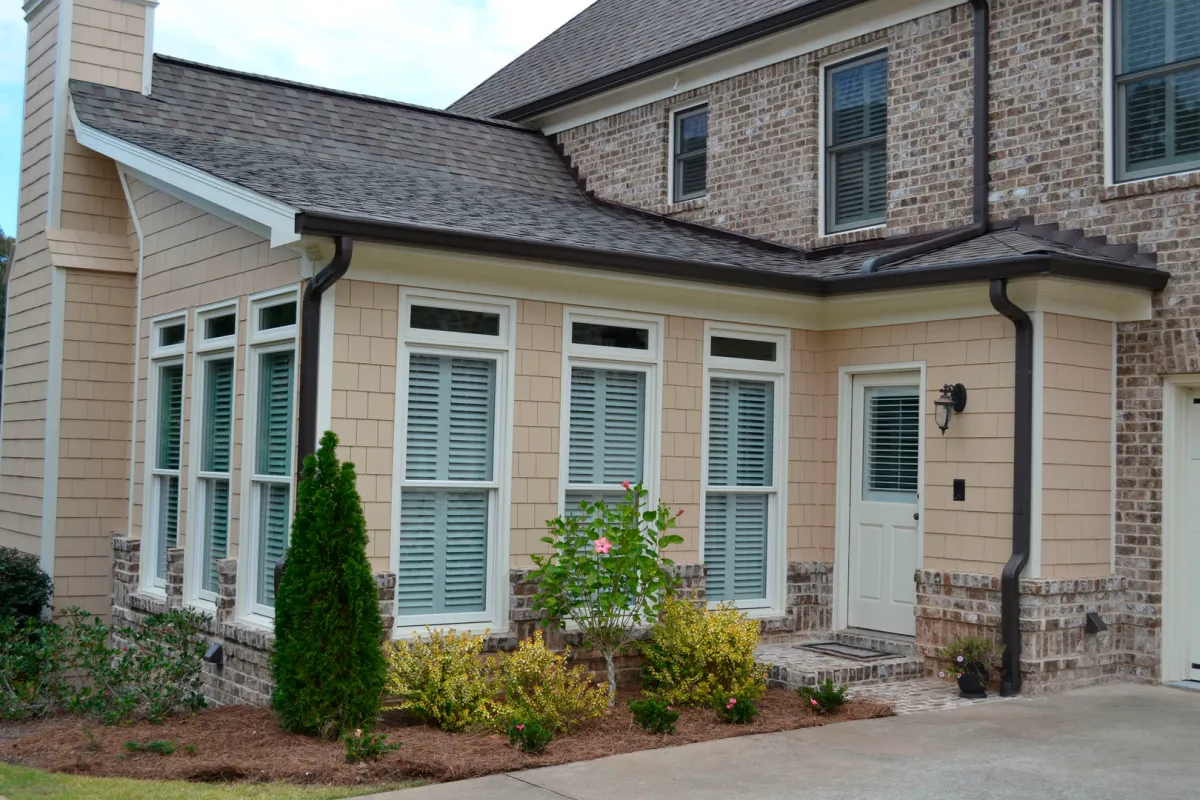
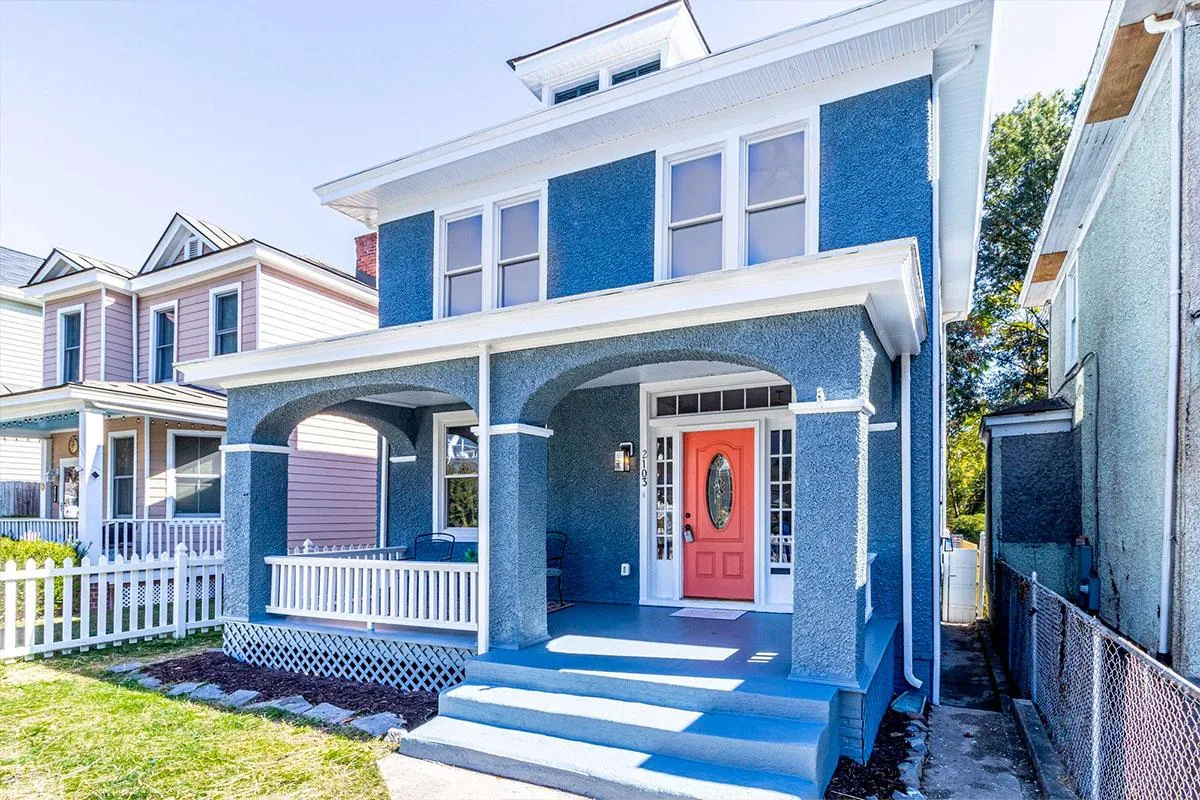
General Contracting
From repairs to general maintenance, to construction and renovation, we have the tools, materials, designers, and builders to get your job done.
Home Additions
Did you know that the cost of an addition can pay for itself by increasing your home’s value? Let’s talk about your needs and if an addition may be right for you.
Exterior Remodeling
Whether you’re planning a backyard makeover, new roof, gutter or patio installation, we have the skills, the tools, and the know-how to get it done.
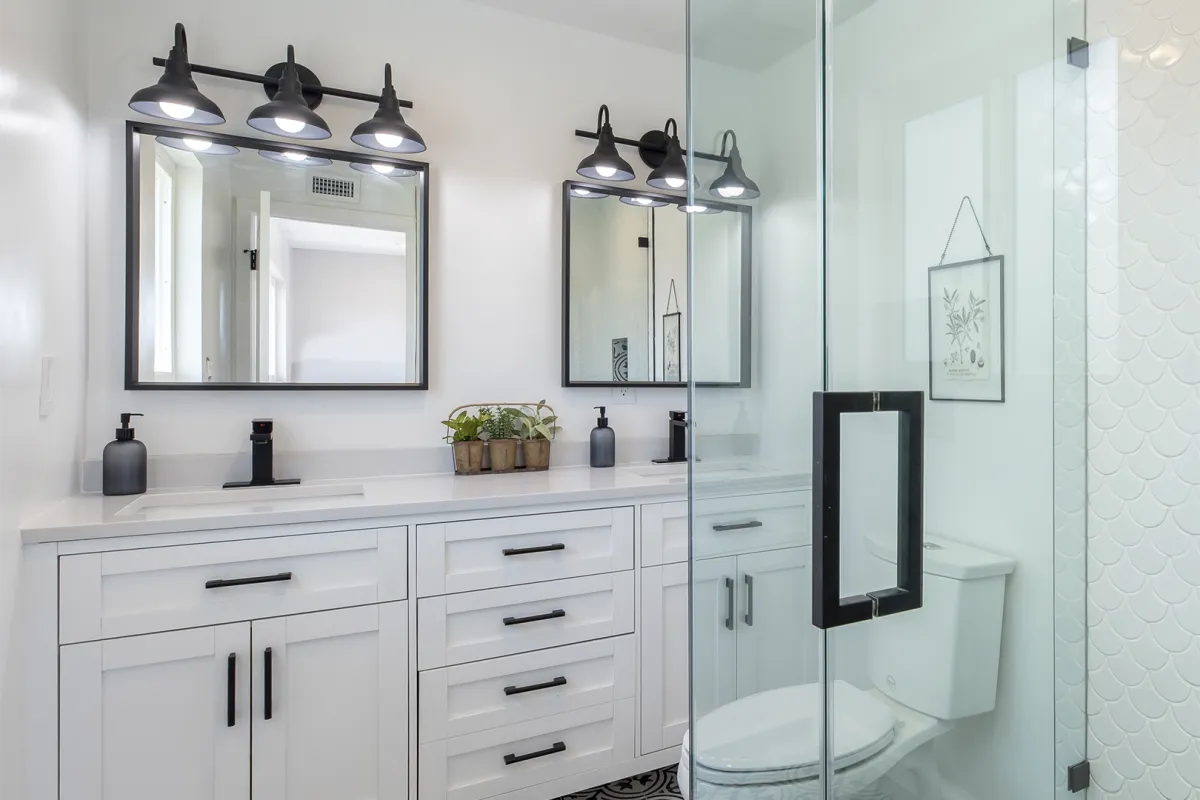

Interior
Remodeling
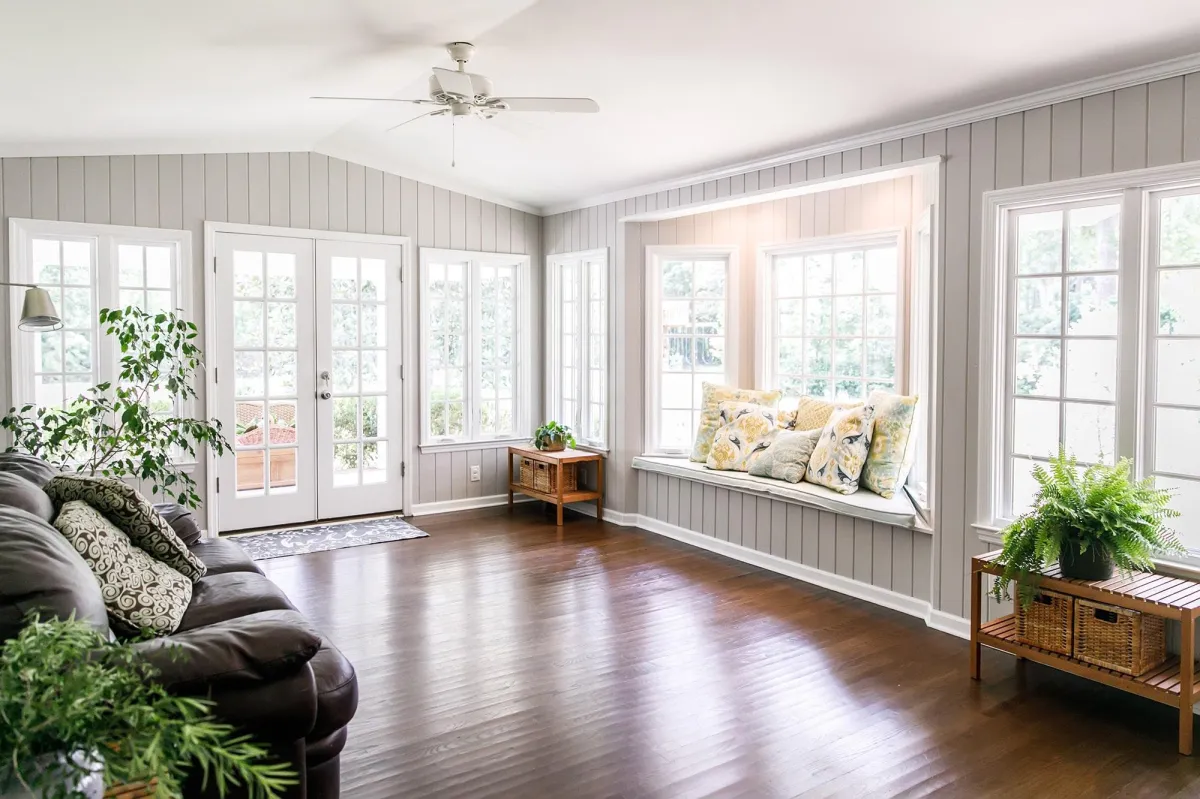
If you’re thinking about some interior remodeling, we specialize in bathroom, bedroom, common areas and kitchen remodels, and we handle every step of the process.
Aging In Place / ADA Remodeling
Aging in place can help you or your loved ones to continue to live a full life in your home. We also provide ADA Remodeling services that will help you with your day to day tasks.
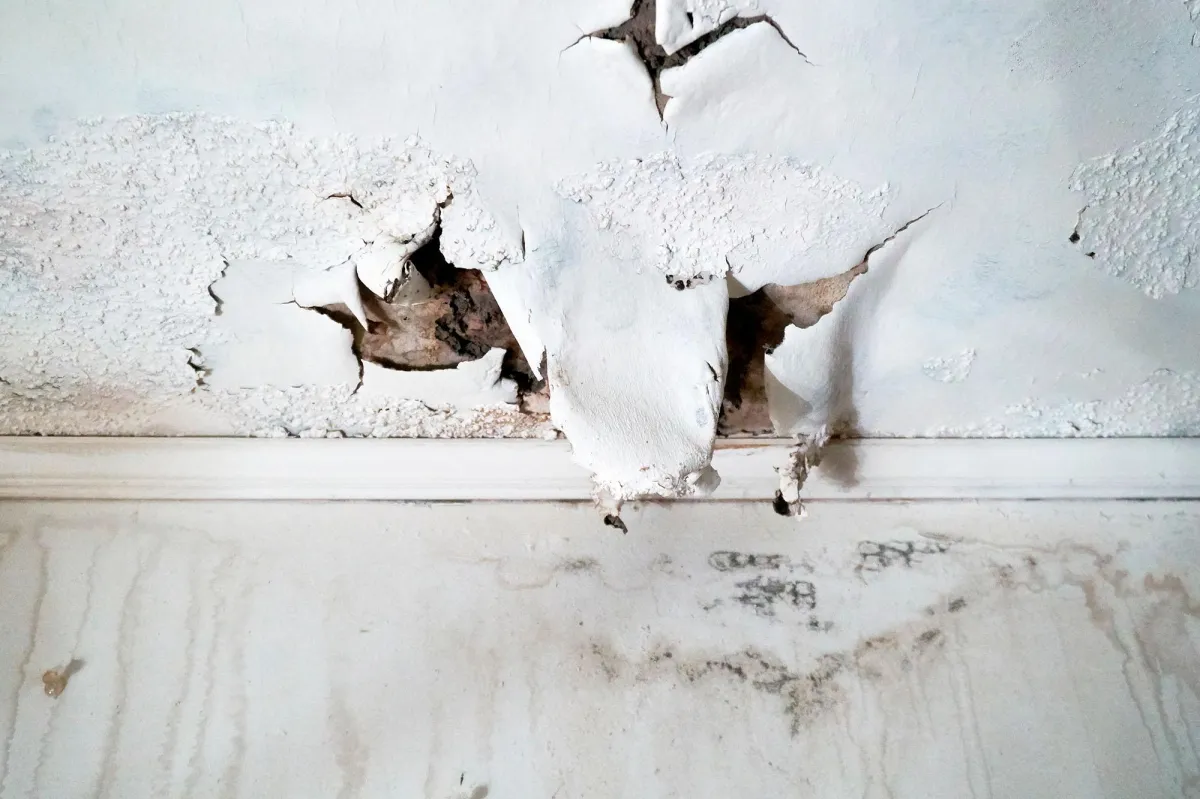
Restoration, Remediation & Abatement Services
Coastal Contracting will ensure that your home and valuables will not lose value and that you and your loved ones will be safe. Get the help you need by getting a free consultation from our experts.
Additions. Renovations. Custom Builds.
We take pride in offering attentive customer care with 5-star rating services
General Contracting
From repairs to general maintenance, to construction and renovation, we have the tools, materials, designers, and builders to get your job done.
Home Additions
Did you know that the cost of an addition can pay for itself by increasing your home’s value? Let’s talk about your needs and if an addition may be right for you.
Exterior Remodeling
Whether you’re planning a backyard makeover, new roof, gutter or patio installation, we have the skills, the tools, and the know-how to get it done.
Interior Remodeling
If you’re thinking about some interior remodeling, we specialize in bathroom, bedroom, common areas and kitchen remodels, and we handle every step of the process.
Aging In Place / ADA Remodeling
Aging in place can help you or your loved ones to continue to live a full life in your home. We also provide ADA Remodeling services that will help you with your day to day tasks.
Restoration, Remediation & Abatement Services
Coastal Contracting will ensure that your home and valuables will not lose value and that you and your loved ones will be safe. Get the help you need by getting a free consultation from our experts.
Build The Space You Always Wanted
We believe we’re more than just another one of the construction companies; we’re experts, we’re community members, and we’re passionate about what we do. From building a home, to small repairs and renovations, give us a try and see what makes us different.
Whatever you can dream, our experienced contractors can build. Get in touch today for a consultation.


Let Our Team Bring Your Project To Life
Our construction experts are ready to provide you with an in-home consultation with no obligation. We look forward to helping you design the space of your dreams.
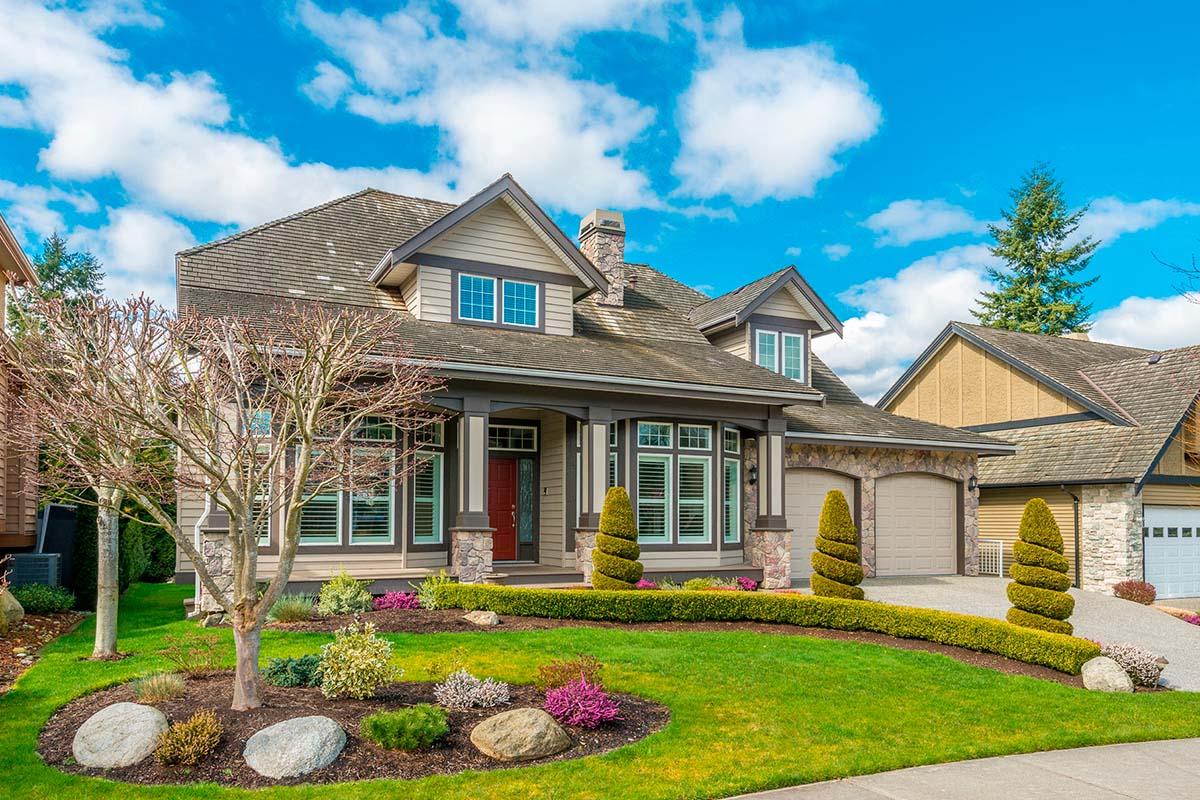
Let Our Team Bring Your Project To Life
Our construction experts are ready to provide you with an in-home consultation with no obligation. We look forward to helping you design the space of your dreams.
Caring For Our Community
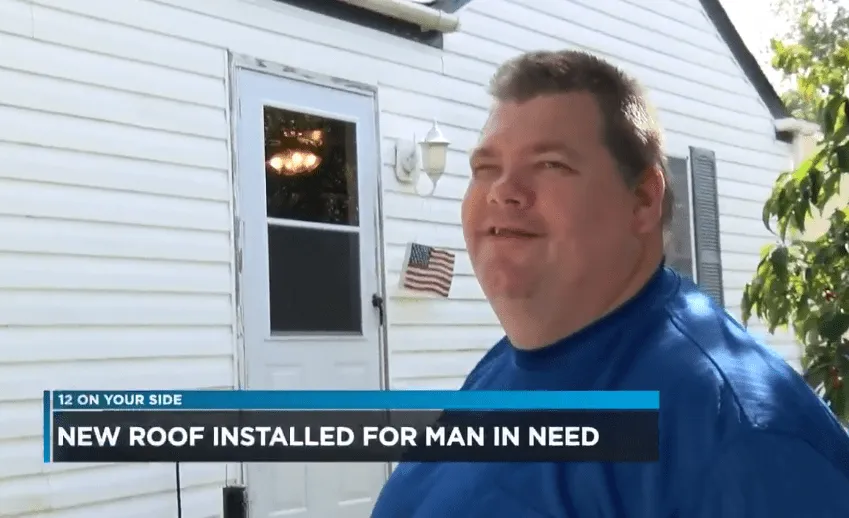
We are passionate about supporting our community, and especially our veterans. One Henrico Veteran was in need of a new roof, and Coastal Contracting took care of the roof replacement free of charge.
Caring For Our Community
We are passionate about supporting our community, and especially our veterans. One Henrico Veteran was in need of a new roof, and Coastal Contracting took care of the roof replacement free of charge.
Our Most Popular Posts
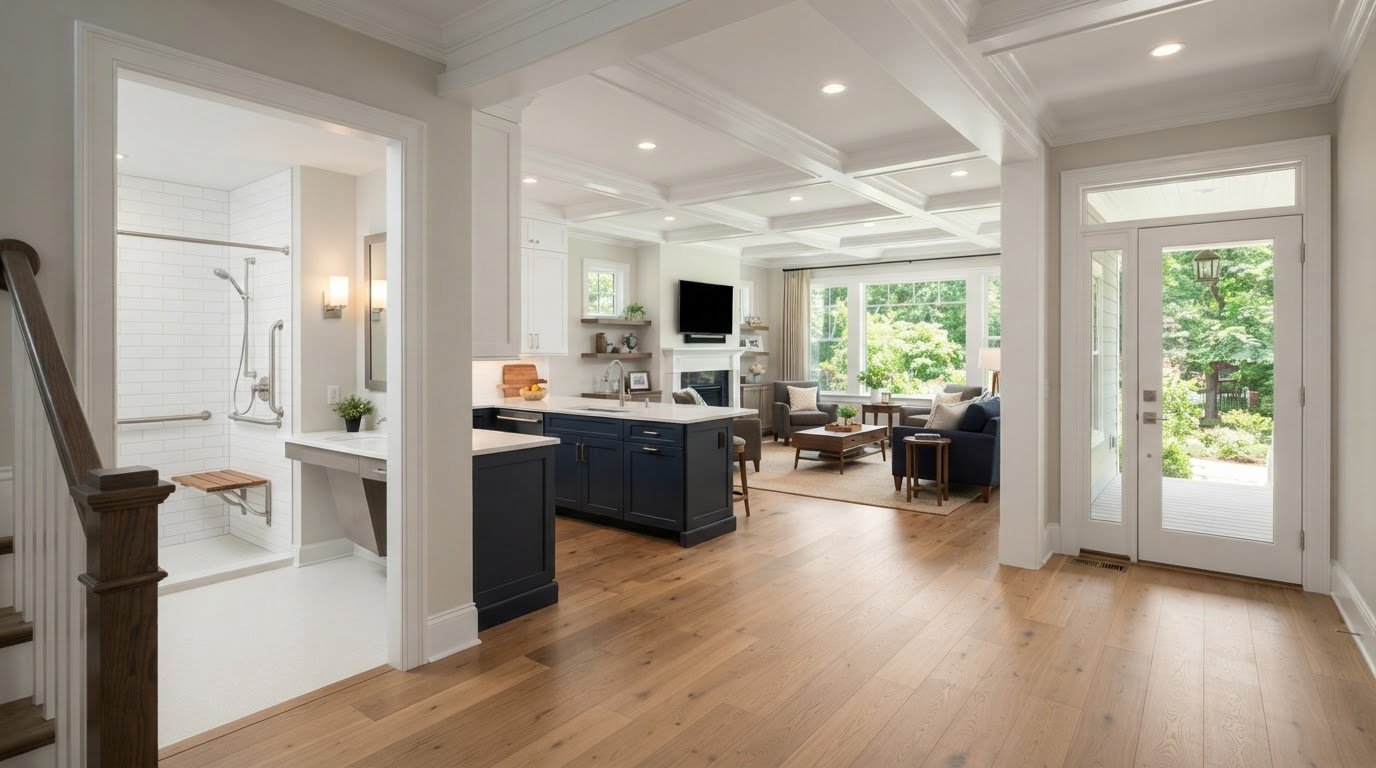
ADA-Compliant Home Modifications in Richmond: A Practical Guide
What if making your home easier to navigate starts with one daily task, not a full renovation? If an entrance, hallway, or bathroom makes everyday routines difficult or unsafe, you’re right to look for practical changes. Planning ADA compliant home modifications Richmond homeowners can use begins with identifying the barrier, the person it affects, and how the home is laid out.
One important distinction: the ADA generally doesn’t apply to private residences, though its accessibility standards can be useful references. Building-code requirements may still apply to remodeling work. Making a home more accessible and meeting a specific legal requirement are different goals.
This guide will help you assess real routines, consider how your property and local requirements may shape a project, and plan modifications in a practical order. Coastal Contracting’s Aging In Place / ADA Remodeling service manages projects from design and permitting through materials, construction, and finishing. As a family-owned Class A general contractor serving Richmond and nearby communities for 20 years, Coastal Contracting takes a personal approach to planning changes around your comfort, safety, and long-term needs.
Key Takeaways
- Start with the daily routines that feel difficult or unsafe, then match potential modifications to the resident’s needs and the home’s layout.
- Walk through the home room by room to spot barriers at entrances, along routes, and in bathrooms, bedrooms, and kitchens.
- ADA compliant home modifications Richmond homeowners plan should distinguish accessibility goals from legal requirements that may depend on the property and project.
- Plan in stages: set priorities, assess the home, define the project scope, address approvals, and then move into construction.
- Coastal Contracting’s Aging In Place / ADA Remodeling service manages project details from design and permitting through materials, construction, and finishing.
What ADA-Compliant Home Modifications Can Change in a Richmond Home
Accessible home modifications are changes that make everyday routines easier, safer, or more independent. The right change depends on the resident’s mobility and support needs, household routines, and the home’s existing layout. A doorway, step, or tight turn that creates difficulty for one person may not be a barrier for another.
Consider the full task rather than focusing on a feature in isolation. A raised threshold at the entrance, for example, can make it harder to enter with a mobility aid, carry groceries, or come and go without assistance. In a bathroom, the challenge might be getting in and out of the bathing area or moving between fixtures. First identify where the routine becomes difficult, then consider what change could address that specific barrier. The broader idea of Accessible housing modifications includes adapting a home to support the people who use it.
Keep one distinction clear: An accessibility goal describes how a home should work for its residents; a legal ADA compliance determination depends on the rules that apply to the property and project. A practical improvement can make a routine more manageable without establishing that the home meets a particular legal standard.
Start with the routines that are difficult today
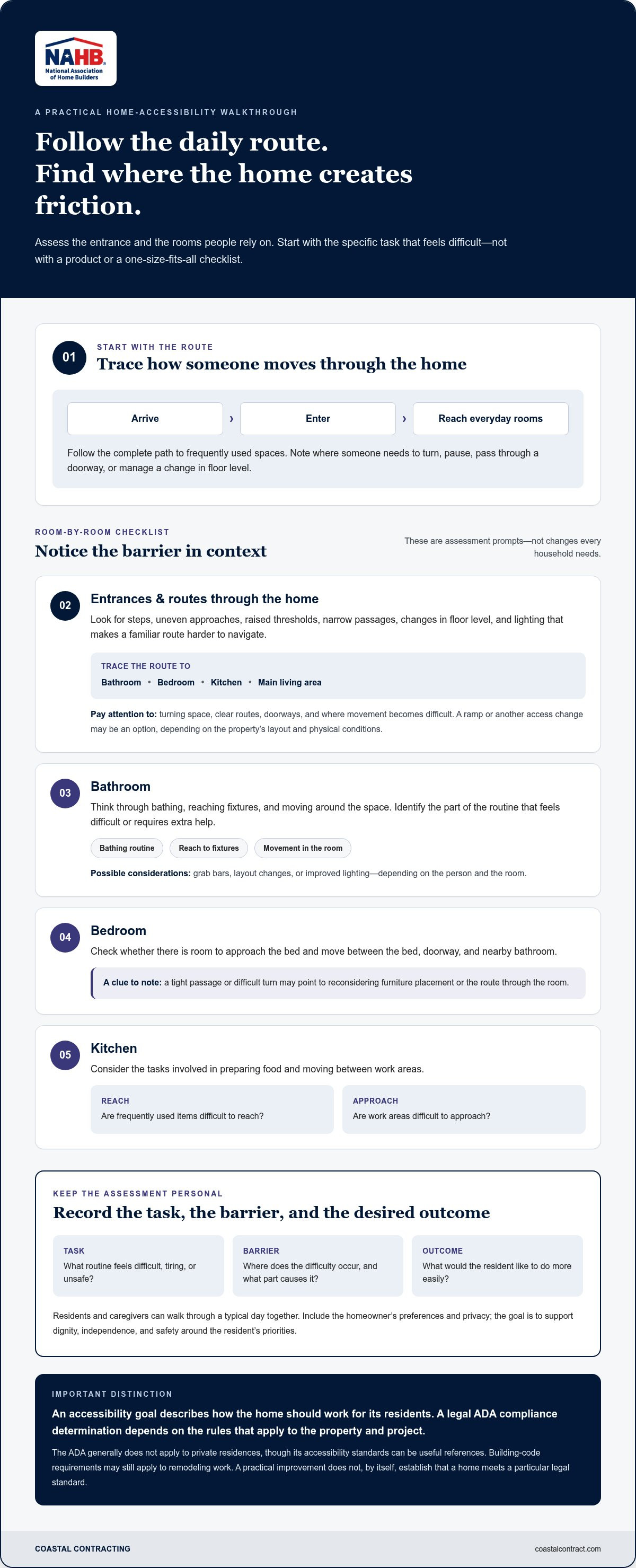
Begin by naming the tasks that feel difficult, tiring, or unsafe. Is entering the home a challenge? Does bathing require extra help? Is cooking harder because frequently used items or work areas are difficult to reach? Do narrow or cluttered paths make it awkward to move between rooms? Write down where the difficulty occurs, what part of the task causes it, and what the resident would like to do more easily.
Residents and caregivers can walk through a typical day together, noting obstacles without assuming every home needs the same changes. Include the homeowner’s preferences and privacy. The goal is to support dignity, independence, and safety in ways that reflect the resident’s priorities, not to impose a standard checklist.
Accessibility goals are personal, not one-size-fits-all
A useful modification responds to both the resident and the physical conditions of the home. Room locations, existing transitions, available space, and household routines can all shape what makes sense. The same task may call for different solutions in different homes, so start with the barrier and intended outcome rather than a product or feature in mind.
This resident-first approach also helps distinguish a practical accessibility improvement from a blanket claim of ADA compliance. If you’re planning for changing needs over time, aging-in-place remodeling offers a related way to think about comfort and function. For ADA compliant home modifications Richmond homeowners are considering, define success clearly: what routine should become easier, and for whom?
Which Home Areas Should Richmond Homeowners Assess for Accessibility?
A useful accessibility walkthrough follows how someone actually moves through the home, from arriving at the entrance to using the rooms they rely on every day. Look beyond obvious obstacles. A doorway may be difficult to pass through, a threshold may interrupt movement, or poor lighting may make a familiar route harder to navigate. These are examples to notice, not a checklist of changes every household needs.
Entrances and routes through the home
Start outside and trace the complete route to frequently used spaces. Steps, uneven approaches, thresholds, narrow passages, and changes in floor level can affect entry and movement. A ramp or another access change may be one option, but the property’s layout and physical conditions shape what is practical. Consider the path from arrival to the bathroom, bedroom, kitchen, and main living area rather than assessing the doorway alone.
As you walk, notice where a person may need to turn, pause, or pass through a doorway. Turning space, clear routes, lighting, and the placement of everyday items can influence how easily someone moves through the home. A hallway that works for one person may feel restrictive for someone using a mobility aid or carrying an item. Note the specific point where movement becomes difficult so the project can address the actual barrier.
Bathrooms, kitchens, and sleeping areas
Each room supports different tasks, so assess what happens there instead of assuming a particular feature is needed. In a bathroom, consider bathing, reaching fixtures, and moving around the space. In a bedroom, note whether there’s room to approach the bed and move between the bed, doorway, and nearby bathroom. In the kitchen, look at preparing food, reaching frequently used items, and moving between work areas.
- Bathroom: A bathing routine may prompt consideration of grab bars, changes to the layout, or improved lighting, depending on the person and room.
- Bedroom: A tight passage or difficult turn may point to a need to reconsider furniture placement or the route through the room.
- Kitchen: Frequently used items that are hard to reach or work areas that are difficult to approach can reveal where the space creates friction.
- Across rooms: Doorways, transitions, and lighting can affect movement between spaces as much as conditions within a single room.
These observations can help you decide whether the need is limited to one area or connected to a broader interior project. If kitchen and bathroom changes are part of the plan, kitchen and bathroom remodeling guidance can help frame the work in that wider context.
For ADA compliant home modifications Richmond homeowners are considering, a room-by-room walkthrough is a starting point, not a compliance determination. If several areas need coordinated changes, Coastal Contracting’s Aging In Place / ADA Remodeling service manages the project from planning through construction and finishing.
Does ADA Compliance Apply to a Private Home in Richmond?
For a homeowner, “accessible” and “ADA-compliant” don’t automatically mean the same thing. A modification can make a home easier to use without establishing that the property or project complies with the Americans with Disabilities Act (ADA). Whether a legal requirement applies depends on how the property is used and the details of the work, so the label alone doesn’t settle the question.
Accessibility standards and legal obligations are different questions
The ADA primarily addresses accessibility in public and commercial settings, and it generally doesn’t apply to a private residence used solely as a home. A property’s use and circumstances matter, however. A residence that also serves a public-facing or commercial purpose may raise different questions. Federal guidance from the U.S. Department of Justice can help explain the ADA’s scope, but it isn’t a substitute for evaluating the specific property and project.
The Fair Housing Act is another consideration for certain multifamily housing. It sets accessibility requirements for covered multifamily dwellings built for first occupancy after March 13, 1991. That doesn’t mean every house or every residential renovation is covered. A homeowner’s preferred accessibility features, design references, and legally required compliance are separate considerations. Because property use, project scope, and applicable rules can differ, review the specific project before treating any modification as a legal compliance determination.
What Richmond-area homeowners should verify before construction
Richmond-area requirements can vary with the property’s location. A home inside the City of Richmond and one in a surrounding county may fall under different local permitting authorities. Identify the authority responsible for the property’s address, then determine which current requirements apply to the planned work. Don’t assume one regional rule, permit process, or approval applies across every Richmond-area jurisdiction.
Virginia building requirements may also apply to alterations. The relevant requirements depend on the project, and technical standards should be checked against current code rather than guessed from a general accessibility checklist. The same care applies to federal requirements: consider whether the property’s use brings federal accessibility or fair-housing rules into the picture before construction begins.
In practical terms, clarify what the project will change, where the home is located, and whether its use involves anything beyond a private residence. Then account for applicable local approvals and code requirements as the scope is developed. This helps keep the homeowner’s accessibility goals clear while avoiding an unsupported promise of formal compliance.
For homeowners considering ADA compliant home modifications Richmond, Coastal Contracting’s Aging In Place / ADA Remodeling service includes project management from design and permitting through materials, construction, and finishing. As a family-owned Class A general contractor serving Richmond and nearby communities for 20 years, Coastal Contracting coordinates the remodeling process while the project’s requirements are addressed.
How to Plan Accessible Home Modifications in Richmond Step by Step
A clear plan connects the resident’s needs with the home’s actual conditions and the work required to complete the project. Moving through the process in stages helps keep priorities visible, clarify the scope, and account for approvals before construction begins. It also makes room to consider today’s barriers and how household needs may change over time.
Turn daily needs into a clear project scope
Start with a written picture of daily life: which routines are difficult, where barriers occur, who uses each area, and what changes the resident prefers. A home assessment can then identify layout or structural conditions that affect possible solutions. Separate essential access needs from optional design preferences so the project reflects the homeowner’s priorities rather than a one-size-fits-all checklist.
- Identify priorities. Record the tasks that matter most and the barriers that interrupt them. Note who is affected and whether assistance is involved, keeping the resident’s comfort and preferences central.
- Assess the home. Review the spaces and routes connected to those tasks. Existing construction, room layout, and available space may shape which changes are practical and whether related work needs to be considered.
- Define the scope. Describe the intended outcome for each priority, then distinguish necessary access improvements from aesthetic choices. Consider foreseeable household needs alongside immediate barriers without assuming what the resident will need.
- Plan approvals. Before work begins, identify the property’s location and the project details that may affect applicable permits or code requirements. Requirements vary by jurisdiction and scope, so use current information from the relevant local authority rather than assuming one process applies throughout the Richmond area.
- Complete construction and finishing. Once the scope and project requirements are established, coordinate the work through construction and finishing. Keep the original priorities in view as the work progresses, then review how the completed changes support the routines they were planned to address.
Coordinate design, approvals, and construction
These stages work best as one connected sequence. Design translates priorities into a project plan; permitting and code review address applicable requirements; material planning prepares for construction; and finishing brings the remodeled areas together. The exact approvals depend on property location and project scope, so verify them with current local sources before construction. A coordinated process helps keep decisions, materials, and work aligned.
For ADA compliant home modifications Richmond homeowners are planning, Coastal Contracting’s Aging In Place / ADA Remodeling service includes project management from design and permitting through materials, construction, and finishing. Schedule a free, no-obligation in-home consultation to discuss your priorities with Coastal Contracting.
How Coastal Contracting Manages ADA and Aging-in-Place Remodeling
Accessibility remodeling can involve more than a single change. Even when the goal is focused, coordinating decisions about the home, project requirements, materials, and construction takes careful planning. Coastal Contracting’s Aging In Place / ADA Remodeling service helps Richmond-area homeowners manage that process, with attention to the resident’s priorities and the property’s conditions.
Coastal Contracting is a family-owned Class A general contractor that has served Richmond and surrounding communities for 20 years. The company manages projects from design and permitting through materials, construction, and finishing, helping keep the stages connected as the plan moves forward. The work is shaped around the homeowner’s goals, not a promise that one approach or outcome fits every home.
A local partner for a project shaped around your home
A thoughtful project starts with listening. The homeowner’s routines, concerns, and preferences help guide the planning, while the home itself informs what work may be involved. A change intended to improve access can affect surrounding areas or require coordination with other parts of a remodel, so it helps to consider the project as a whole.
Coastal Contracting brings attentive, family-oriented customer care to the process and coordinates the details from planning through finishing. Homeowners can discuss what they want the completed spaces to support, then work through the project scope and next steps with a local contractor. The focus stays on the household’s needs and the specific property, without assuming a particular modification or claiming a guaranteed compliance result.
A simple next step for Richmond-area homeowners
If you’re considering accessibility changes, it can help to talk through your goals in the home where the work would take place. A consultation gives you the opportunity to describe the routines you want to make easier, share which areas concern you, and discuss how a project might be planned. You don’t need to arrive with a finished scope. Start with what matters to you.
From there, Coastal Contracting can coordinate project management across design, permitting, materials, construction, and finishing. The specific plan is tailored to the home and the work involved, and applicable project requirements are addressed during planning. For homeowners exploring ADA compliant home modifications Richmond, a conversation can help turn household priorities into a defined remodeling project.
Schedule your free in-home consultation to discuss your accessibility goals with Coastal Contracting. The consultation is free and comes with no obligation.
Take the First Step Toward a Home That Works Better for You
Your next step doesn’t need to be a complete renovation plan. Choose one daily routine you’d like to make easier, and write down what would help. That simple starting point can make a future conversation more focused on your priorities and the way you want to use your home.
As you consider ADA compliant home modifications Richmond, keep your goal practical: create a space that supports the person living there, now and as needs change. The right project begins with listening, thoughtful planning, and a clear understanding of what matters most to your household.
Coastal Contracting can help you explore the possibilities and shape a plan around your home and goals. Start a conversation about your accessibility remodeling project with a free, no-obligation in-home consultation. A more comfortable, usable home can begin with one clear priority.
Frequently Asked Questions
Is a private home required to be ADA compliant?
No, a private home isn’t automatically subject to every ADA standard. Legal obligations depend on how the property is used and the circumstances of the project. Homeowners may choose accessibility features to make daily routines easier even when those features aren’t legally required. For a specific situation, review current U.S. Department of Justice guidance and consider whether Fair Housing Act or local requirements apply. This general information isn’t legal advice.
What home modifications can make a house more accessible?
Possible changes include improving access at an entrance, adjusting doorways or routes, adapting a bathroom layout, and improving lighting or the reach of frequently used items. A resident who has difficulty moving between rooms may need a different approach from someone focused on bathing or preparing meals. The right scope for ADA compliant home modifications Richmond homeowners consider depends on the resident’s needs and the home’s conditions, not a universal checklist.
Can I make my Richmond home wheelchair accessible without a full renovation?
Possibly. Some homes may benefit from focused changes in a particular area, while others need broader construction because routes, doorways, or room arrangements limit movement. Improving access to one frequently used room, for instance, may be a narrower project than changing several connected spaces. Assess the home alongside the resident’s needs to understand the likely scope rather than assuming a small change or a complete renovation is always necessary.
Do I need a permit for accessibility modifications in Richmond, Virginia?
It depends on the work, the property, and the local jurisdiction. First determine whether the home is within the City of Richmond or another locality, then verify current requirements with the authority responsible for that address. Richmond-area requirements shouldn’t be assumed to apply uniformly across nearby communities. Confirm the project’s approval needs before construction, since the work involved can affect what applies. Don’t rely on a general rule or assume every modification follows the same process.
How do I prioritize accessibility upgrades in my home?
Start with activities that are difficult or feel unsafe, then note the rooms and routes involved. A short daily log can help: record where movement slows, when assistance is needed, and which tasks the resident wants to handle more independently. Include the resident’s preferences and any physical limits of the home. This creates a practical order for discussing potential work without assuming every household needs the same features or sequence.
Can a contractor manage design, permits, and construction for accessible home modifications?
Yes. Coastal Contracting manages Aging In Place / ADA Remodeling projects across design, permitting, materials, construction, and finishing. Coordinating these stages connects early planning decisions with the work carried out in the home. Permit and code requirements still depend on the property and project, so they need to be addressed specifically rather than assumed. A coordinated process helps make the steps easier to follow without promising automatic approval or a particular compliance outcome.
Does Coastal Contracting offer consultations for ADA home modifications in Richmond?
Yes. Coastal Contracting offers free in-home consultations with no obligation, where homeowners can discuss accessibility goals, the home, and possible project scope. Its Aging In Place / ADA Remodeling service serves Richmond and nearby communities, including Henrico, Goochland, Midlothian, Chesterfield, Short Pump, Chester, Glen Allen, Hanover, Ashland, and Montpelier. Schedule a free, no-obligation in-home consultation to discuss what matters to your household and the project planning process.
Speak With a Project Manager
Do you have a question or need more information. Don't hesitate to contact our construction experts!
Flexible Monthly Payment Options
See your options in minutes, with no hard credit check! Take advantage of 6-months same-as-cash or low monthly payment options with no liens or appraisal requirements.
Flexible Monthly Payment Options
See your options in minutes, with no hard credit check!
Take advantage of 6-months same-as-cash or low monthly payment options with no liens or appraisal requirements.

Monday - Friday: 8am-5pm
High Quality General Contractor Services In Richmond, Virginia | Residential & Commercial



© 2026 Coastal Contracting. All Rights Reserved. Privacy Policy - Terms & Conditions
Monday - Friday: 8am-5pm
High Quality General Contractor Services In Richmond, Virginia | Residential & Commercial